Is Dog Poop Bad for Your Lawn? What Every Tennessee Dog Owner Should Know
The MisterPup Team · May 12, 2026 · 6 min read
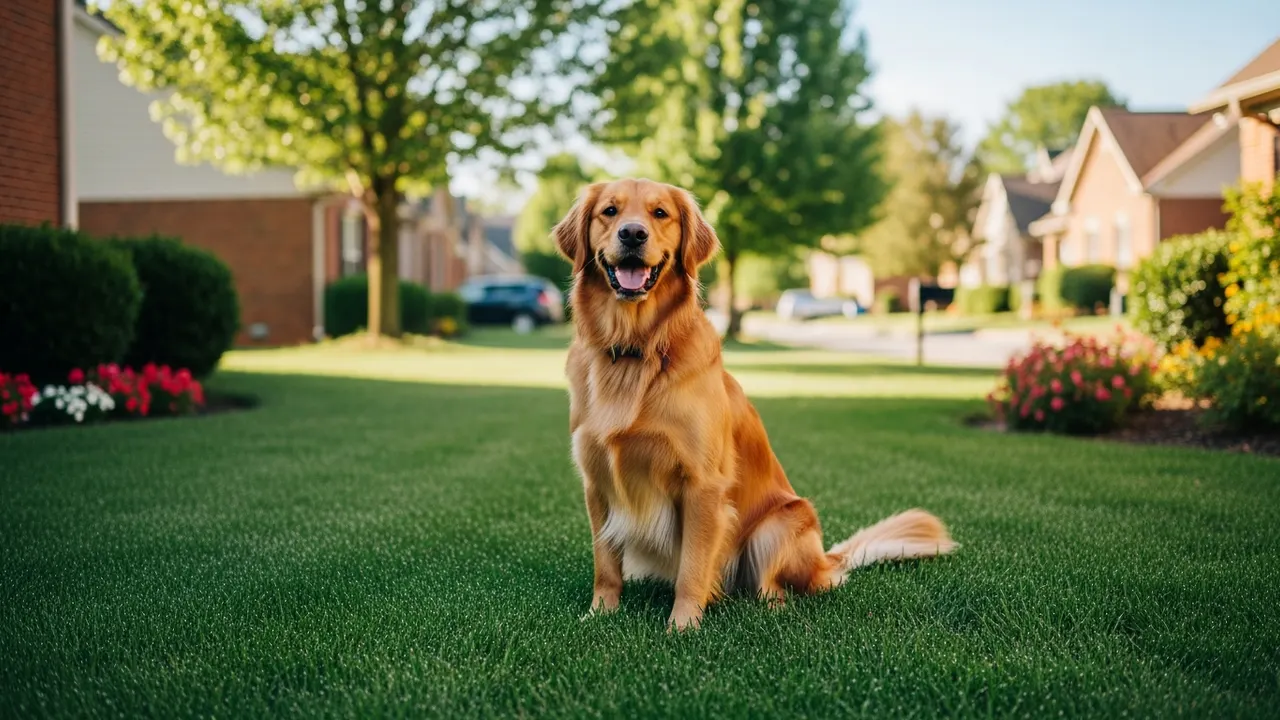
It's one of the most common questions we hear from dog owners across Sumner County: isn't dog poop just natural fertilizer? It seems logical — cow manure helps gardens grow, so dog waste should help your lawn, right? Unfortunately, the answer is no. Dog waste does far more harm to your grass than good, and leaving it on the lawn can quietly damage the yard you're trying to enjoy.
Why dog poop is not fertilizer
The manure used to fertilize crops comes from herbivores — cows, horses, and chickens that eat grass and grains. Dogs are different. They eat a protein-rich diet, which makes their waste highly acidic and packed with nitrogen. Instead of feeding your grass, that concentrated nitrogen burns it, leaving the brown, dead patches many owners mistake for a watering problem.
On top of that, dog waste takes a long time to break down and is full of bacteria you don't want sitting in the soil where your family and pets play. It's not a nutrient — it's a contaminant.
What dog waste actually does to your grass
- Nitrogen burn: Concentrated nitrogen scorches grass, creating yellow-then-brown dead spots.
- Acidic soil: Repeated waste in the same areas lowers soil quality and makes it harder for grass to recover.
- Lingering odor: Decomposing waste produces the sour smell that drifts toward patios and open windows.
- Pests and flies: Waste attracts flies and other pests that spread bacteria around the yard.
- Patchy regrowth: Damaged spots fill in slowly and unevenly, leaving a blotchy lawn.
The hidden health side of the problem
Beyond the cosmetic damage, pet waste is an environmental and health concern. The U.S. Environmental Protection Agency classifies pet waste as a source of water pollution — when it isn't picked up, rain washes bacteria and nutrients into storm drains and local waterways. It can also harbor parasites that affect both pets and people. We cover that in more detail in our guide to dog waste and your family's health.
How to keep your Tennessee lawn green and healthy
The fix is simple in theory: remove waste consistently, before it has time to burn the grass or wash away in the rain. In practice, staying on a reliable schedule is the hard part — especially with multiple dogs or a busy week.
- Pick up waste at least weekly — more often for multiple dogs or large breeds.
- Rotate where you can't always control it (water down high-traffic spots to dilute nitrogen).
- Reseed burned patches in spring and fall, Tennessee's best growing windows.
- Keep a consistent routine so waste never accumulates long enough to do damage.
That last point is where most yards fall behind. If keeping up feels like a losing battle, that's exactly what we do — a weekly dog poop removal visit keeps nitrogen and waste from ever building up, so your grass stays green and your weekends stay yours. If your dog and yard are lower-traffic, bi-weekly service may be all you need.
The bottom line
Dog poop isn't fertilizer — it's a slow-acting problem for your lawn, your nose, and your local waterways. Consistent removal is the single best thing you can do for a healthy yard. MisterPup keeps lawns clean across Hendersonville, Gallatin, and the rest of Sumner County. Check your area and get started — weekly and bi-weekly plans start with your first month free.