Dog Waste and Your Family's Health: The Risks Hiding in Your Backyard
The MisterPup Team · March 18, 2026 · 6 min read
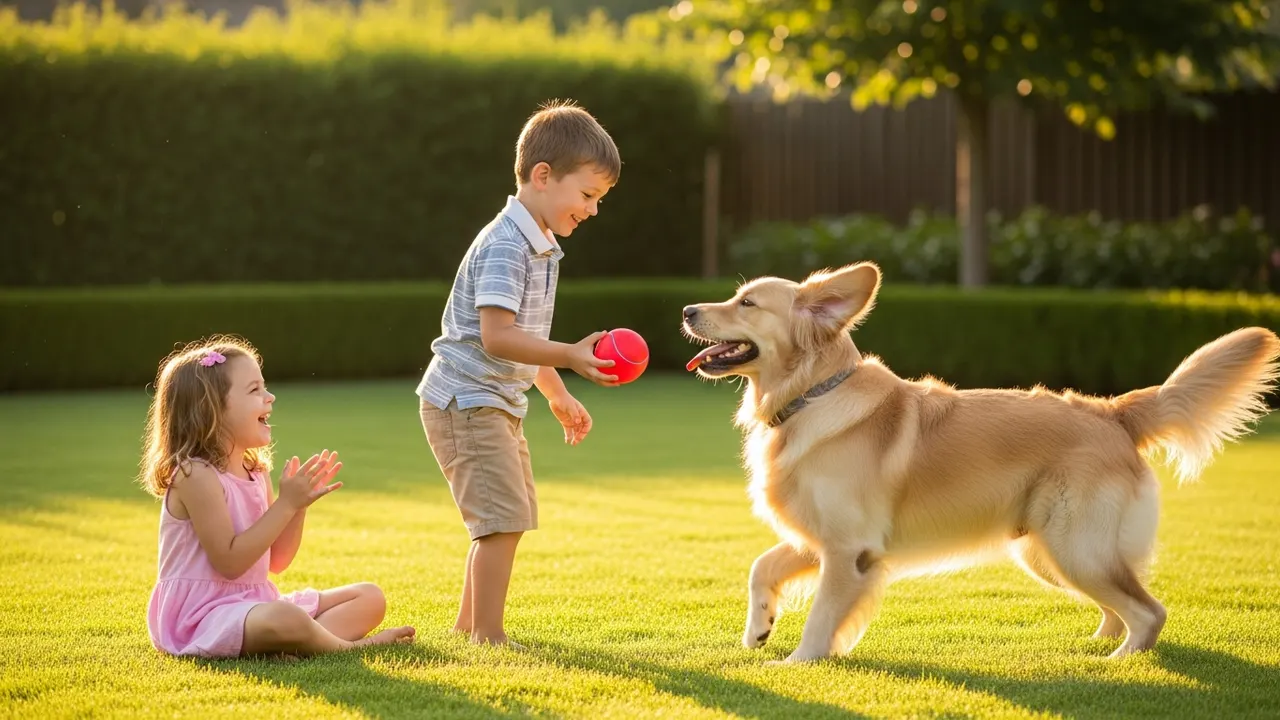
Most people think of dog waste as a smelly nuisance. But uncollected waste is also a genuine health issue — one that sits right where your kids and pets spend their time. The good news is that the risk is entirely preventable. Here's what's actually in dog waste, and why consistent cleanup matters more than most owners realize.
What's really in dog waste
Dog waste can contain bacteria, viruses, and parasites. The U.S. Environmental Protection Agency has long pointed out that a single gram of dog waste can contain millions of fecal coliform bacteria — which is part of why the EPA treats pet waste as an environmental pollutant rather than a fertilizer. When waste isn't picked up, those contaminants don't just disappear; they linger in the soil and wash into waterways with the rain.
Parasites that linger in soil
According to the U.S. Centers for Disease Control and Prevention, dog feces can carry parasites such as roundworms, hookworms, and protozoa like Giardia. Roundworm eggs in particular can survive in soil for months, long after the waste itself is gone. That's what makes leaving waste in the yard risky — the hazard outlasts the mess.
- Roundworms: Eggs can persist in soil for months and are a known risk to children.
- Hookworms: Larvae can penetrate skin on contact with contaminated soil.
- Giardia: A protozoan parasite that causes intestinal illness in pets and people.
- Bacteria: Including E. coli, Salmonella, and fecal coliform.
Who's most at risk
Children are the most vulnerable, simply because they play close to the ground and put their hands in their mouths. Other pets are at risk too — dogs can reinfect themselves and each other through contaminated soil. For families with young kids and dogs sharing the same backyard, regular waste removal is one of the simplest preventive health steps you can take.
How to protect your yard and family
- Remove waste promptly and consistently — don't let it sit for days.
- Wash hands after yard time, especially for kids.
- Keep pets on routine deworming as recommended by your vet.
- Don't use dog waste in gardens or compost meant for edibles.
- Reset a neglected yard with a thorough deep clean before it becomes a habit.
The throughline is the same as it is for your lawn (more on that in is dog poop bad for your lawn): consistent removal solves the problem at the source. The longer waste sits, the more time parasites and bacteria have to establish themselves in the soil.
Let us handle it
Keeping a yard genuinely clean week after week is hard to do on your own. MisterPup makes it automatic — vetted technicians scoop every visit, sanitize equipment with kennel-grade disinfectant between properties, and send photo proof that your gate is closed. Explore our services or get started today with your first month free on weekly and bi-weekly plans.
This article is for general information and isn't a substitute for medical or veterinary advice. For specific health concerns, talk to your doctor or veterinarian.